Sourdough Liège Waffles
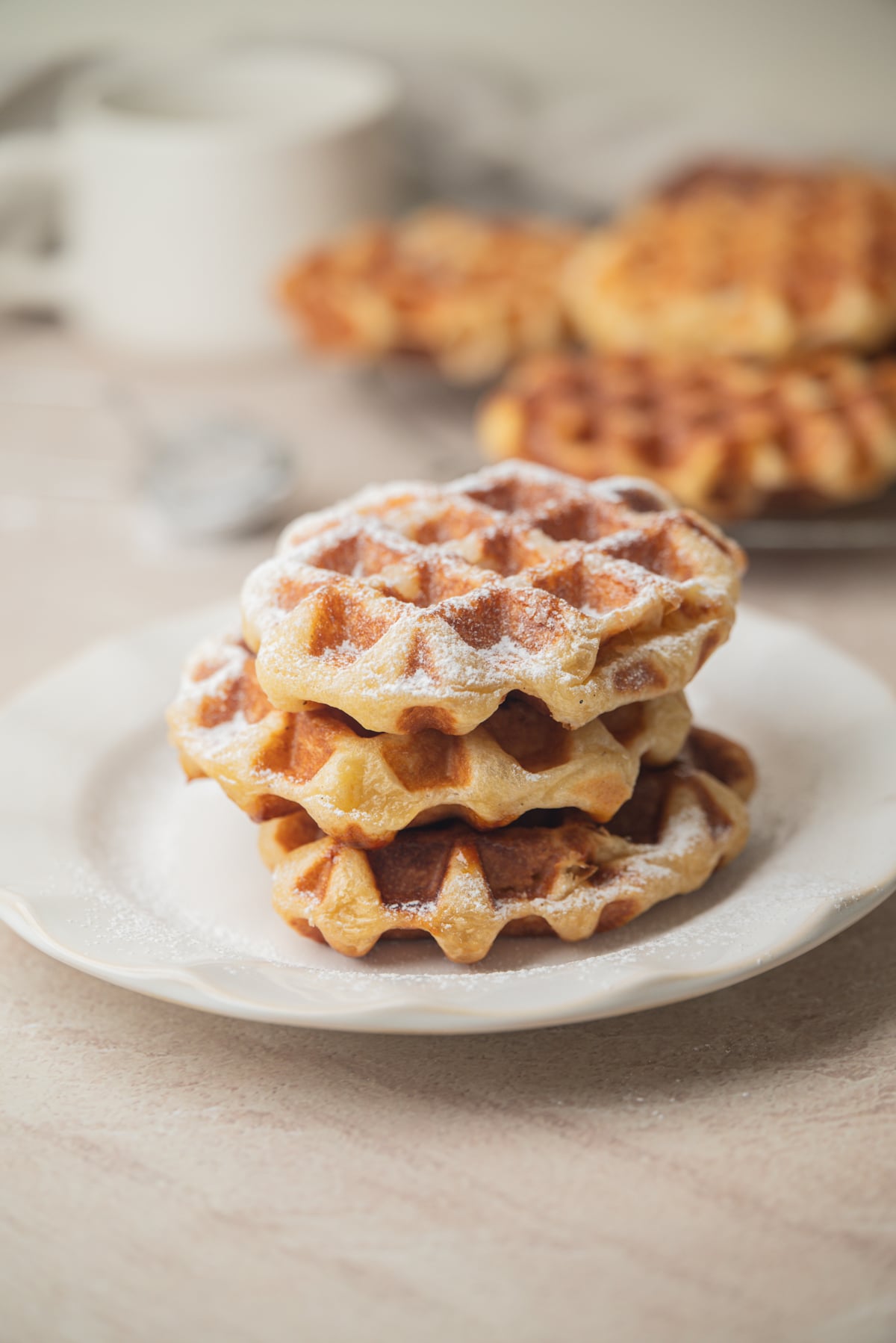
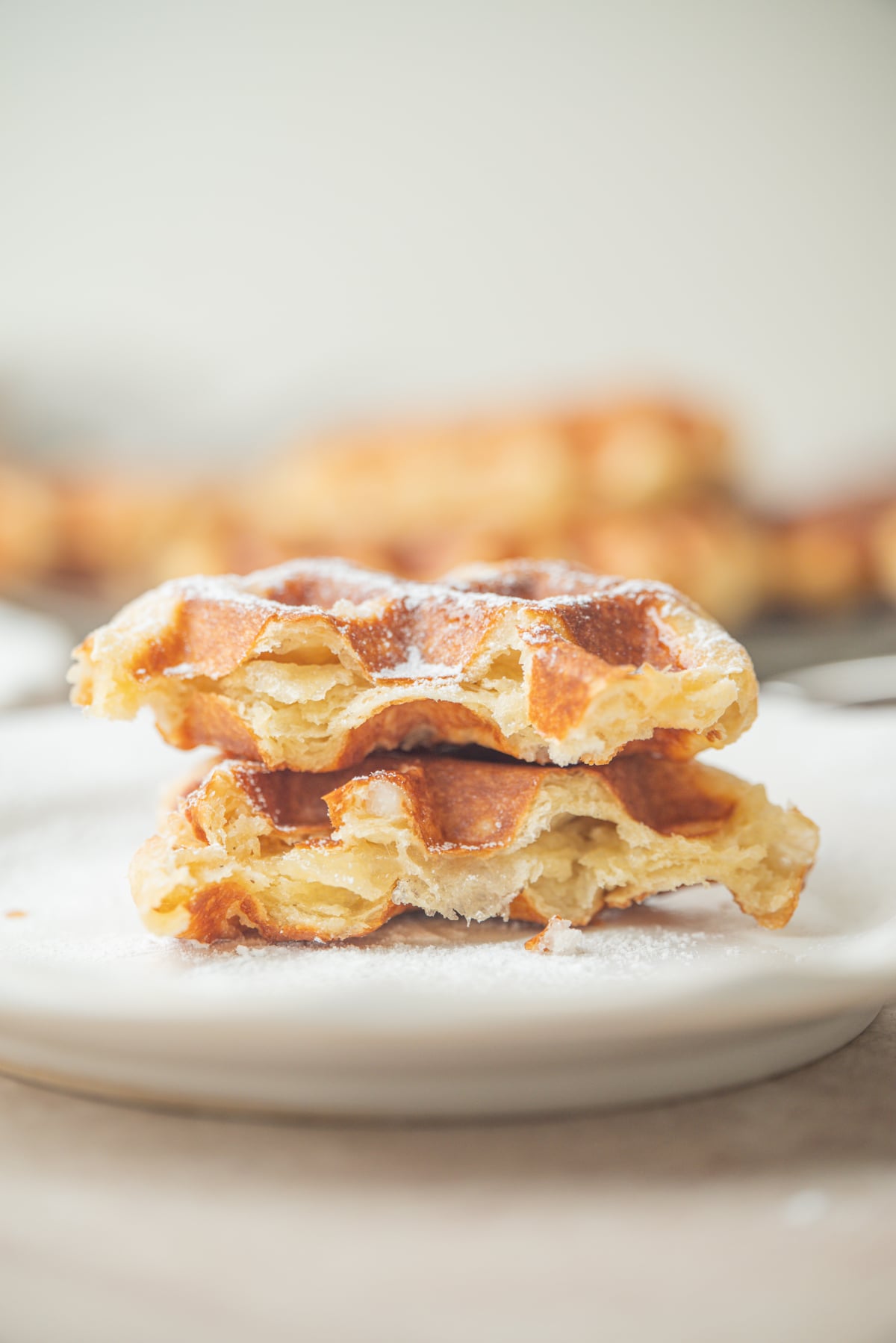
These sourdough Liège waffles are rich and buttery, with a soft, brioche-like centre and pockets of Belgian pearl sugar throughout. As they cook, the sugar on the outside melts and caramelises against the waffle iron and it gives them their characteristic crisp, golden crust. This recipe was first published on my Substack.
About sourdough Liège waffles
They use sourdough starter instead of commercial yeast and have a long overnight rest, but with a warm fermentation they shouldn’t taste particularly sour.
The flavour is buttery and lightly sweet, with just a gentle sourdough tang. Liège waffles are very different from the lighter, batter-style waffles you might be used to. They’re made from an enriched yeasted dough rather than a pourable waffle batter, so their texture is closer to brioche. One of the main ingredients you can’t skip is the Belgian pearl sugar. It’s much larger than the Swedish pearl sugar often sprinkled over Scandinavian buns and pastries and it’s key because the large pieces don’t completely disappear into the dough as the waffles cook. Inside, they create little sweet, syrupy pockets. On the outside, the sugar melts against the hot waffle iron and caramelises, creating a crisp, sticky shell.
If you’re in NZ like me, pearl sugar is getting really hard to come by! I bought it in bulk two years ago and have just run out, and am chatting to some suppliers to get more into the country.
Keeping sourdough Liège waffles mild
Enriched sourdough can take quite a long time to rise because the dough contains butter, egg, milk and sugar and they all make fermentation slower than it would be in a basic sourdough bread dough.
Temperature makes a big difference too. In a cold kitchen, the dough takes longer to rise and has more time to develop acidity. I like to keep it somewhere around 24 to 26°C. At this temperature the dough ferments steadily without becoming too sour.
During the first rise, I only let the dough increase by around 30 to 40% before putting it in the fridge. It doesn’t need to double. There is still fermentation happening during the overnight cold proof and again during the final rise. A straight-sided container is really helpful here. You can mark where the dough starts and you can much more easily judge how far it has risen.
Ingredients
Here are some notes on the main ingredients.
- Active sourdough starter. Use a 100% hydration starter that has been recently fed and is active and at or close to its peak.
- Bread flour. A strong flour helps create enough gluten structure to support all the butter in this enriched dough.
- Milk and water. These provide the main hydration for the dough. Whole milk also brings extra richness.
- Egg. One large egg adds richness, colour and structure.
- Brown sugar and honey. There isn’t a huge amount of sugar in the actual dough because most of the sweetness comes from the pearl sugar.
- Butter. There is a generous amount of butter in Liège waffle dough. Use softened butter that is pliable but not melted.
- Vanilla. Either vanilla paste or extract works well.
- Belgian pearl sugar. This is important for getting the classic Liège waffle texture. Belgian pearl sugar is made up of large, hard pieces that partially melt and caramelise as the waffles cook.
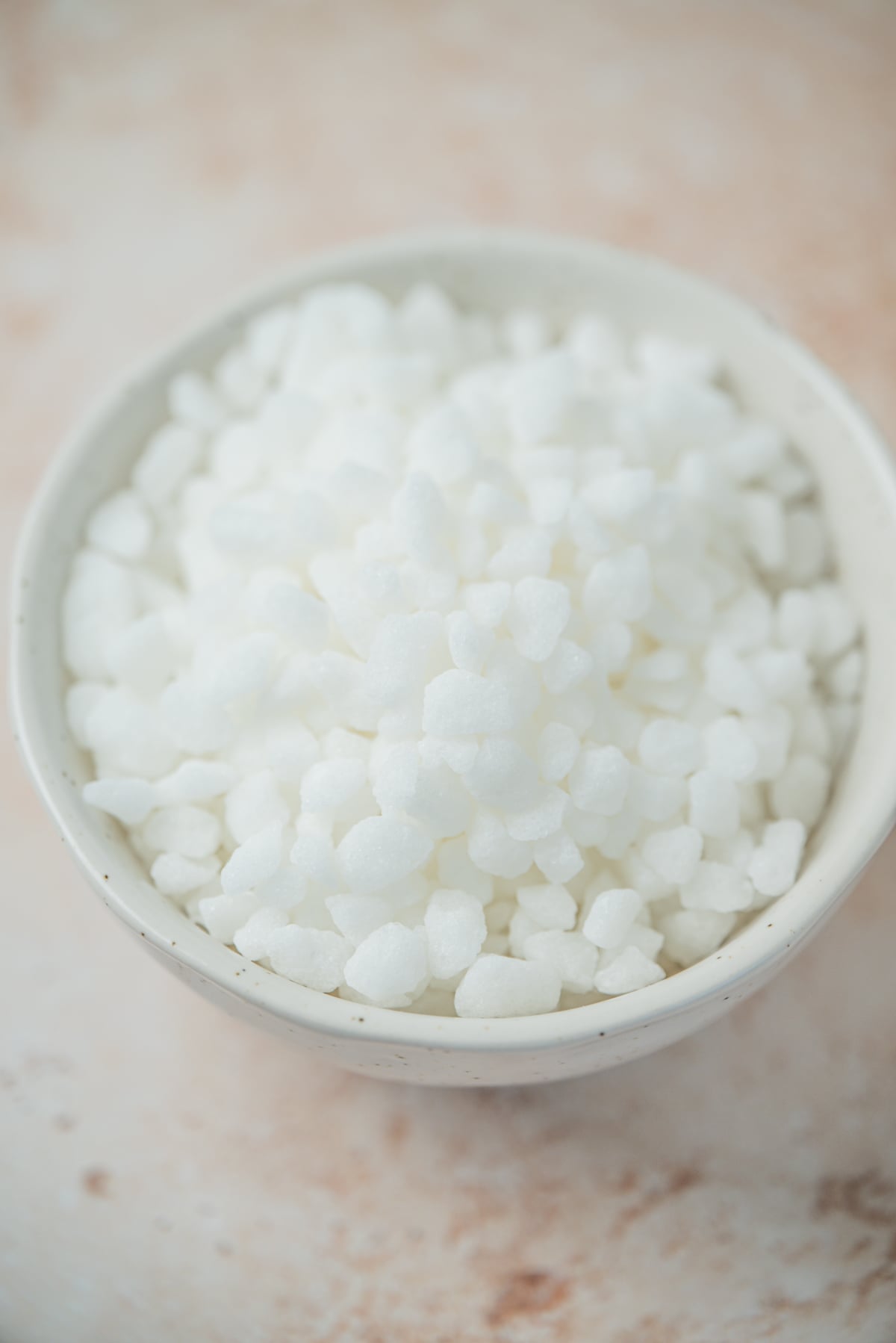

A little note about the pearl sugar: In this recipe, I add the pearl sugar after the final proof, just before the waffles are cooked. This is a little different from traditional yeast Liège waffles, where the sugar is usually mixed in before the final rise. Sourdough takes much longer to proof, and I found that when the pearl sugar sat in the dough for that long, it started drawing moisture from the dough and creating a sticky syrup. Adding it at the end keeps the dough much easier to handle and still gives you those pockets of sugar and caramelised edges.
Method
- Mix the starter, flour, milk, water, egg, sugar, honey, salt and vanilla until combined.
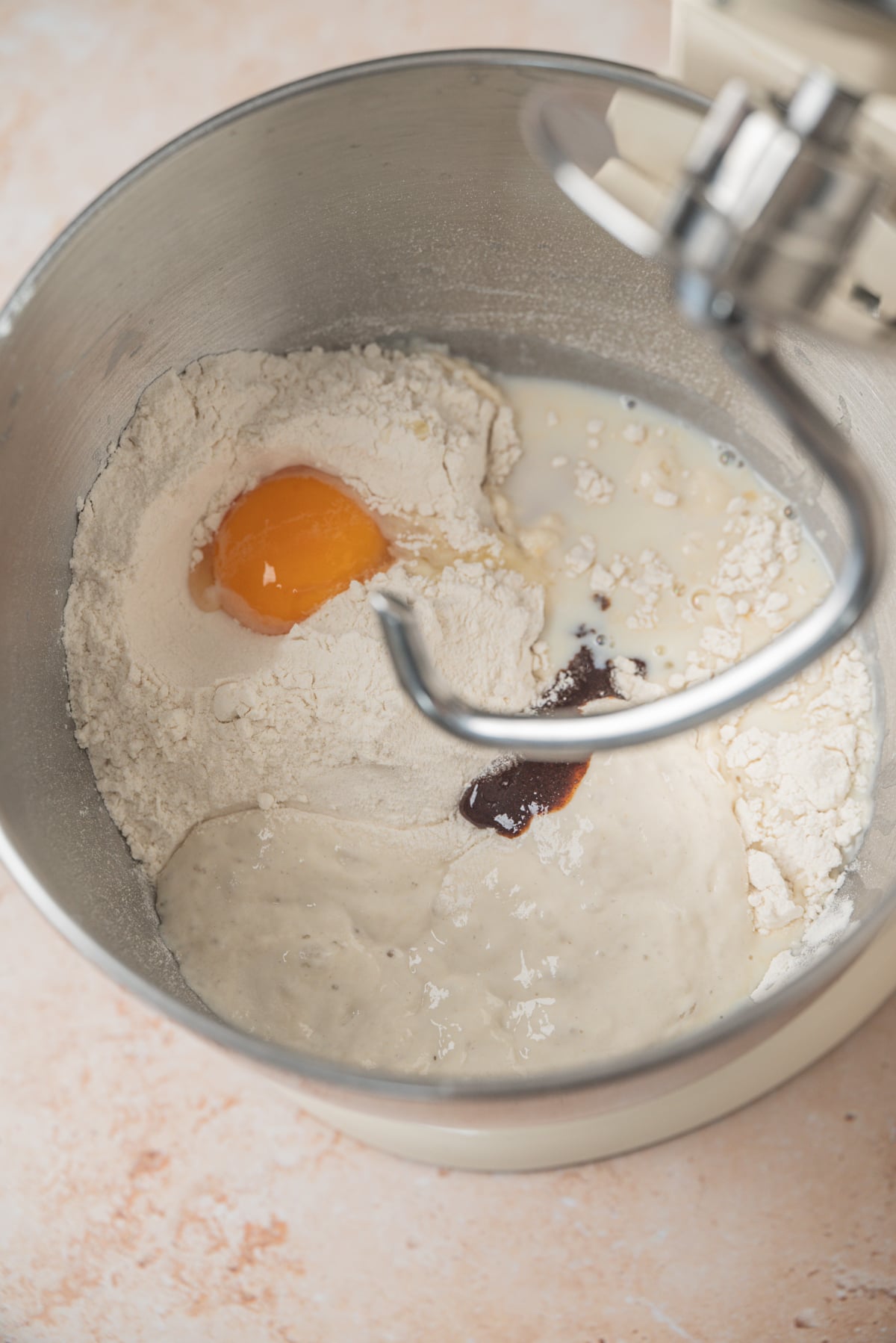
- Mix on low speed to start developing the gluten.
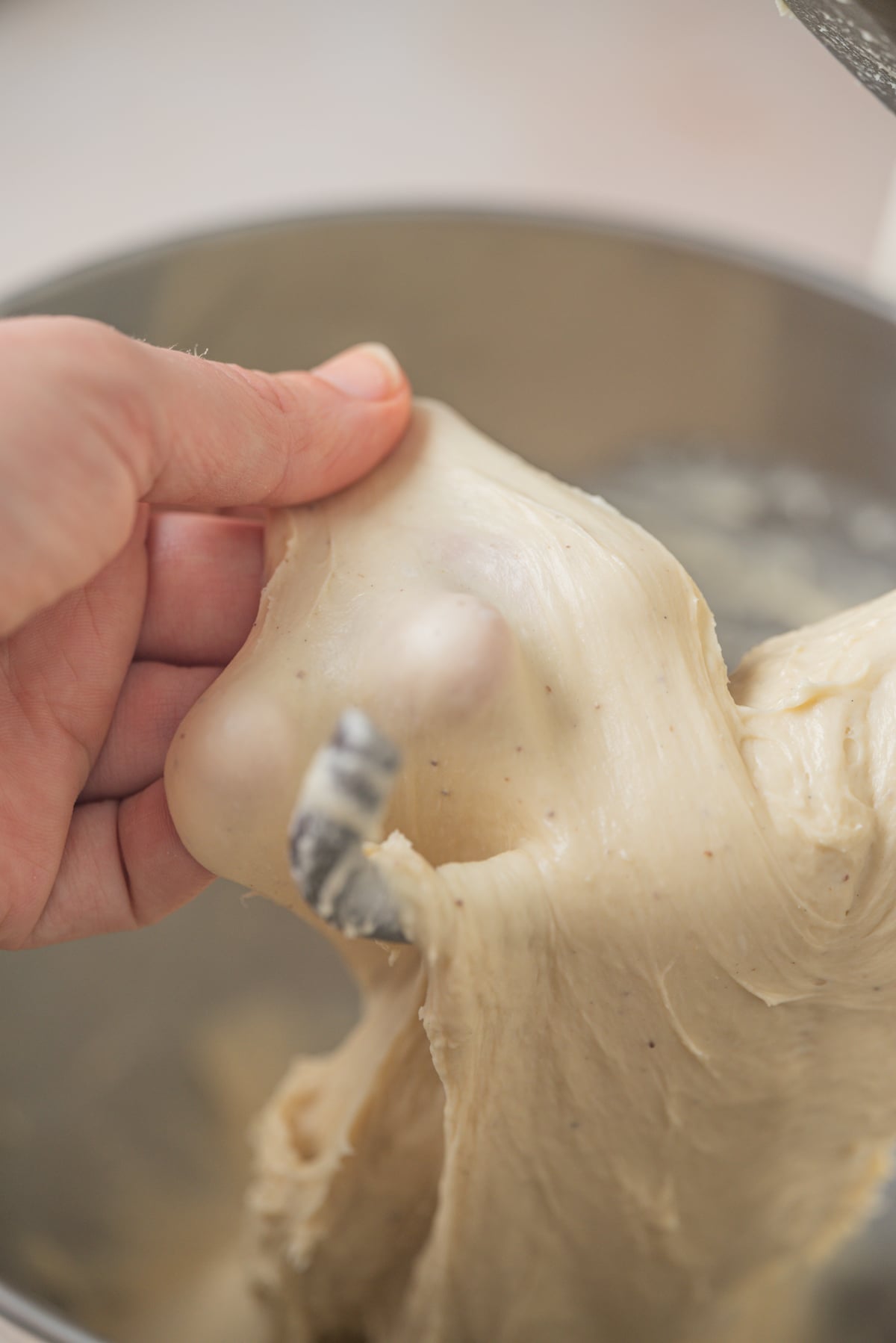
- Gradually add the softened butter and continue mixing until the dough is smooth and strong and passes the windowpane test.
- Cover the dough and leave it somewhere warm, ideally around 24 to 26°C, until it has risen by about 30 to 40%.
- Rrefrigerate overnight. This slows the fermentation and firms up the butter, making the dough much easier to shape.
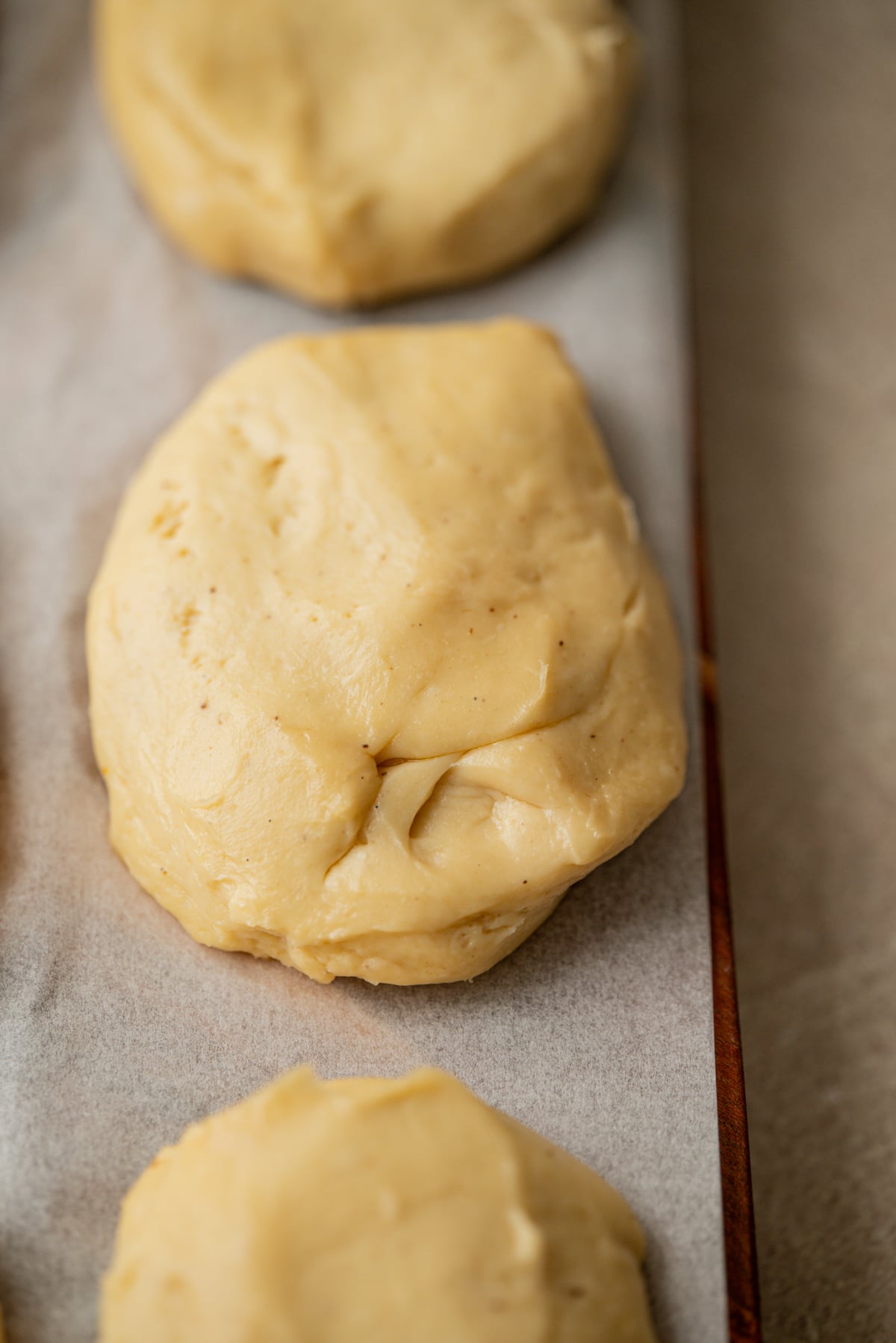
- Divide the cold dough into 12 pieces and shape them into flattish discs. Cover and leave somewhere warm until noticeably puffy, but not doubled.
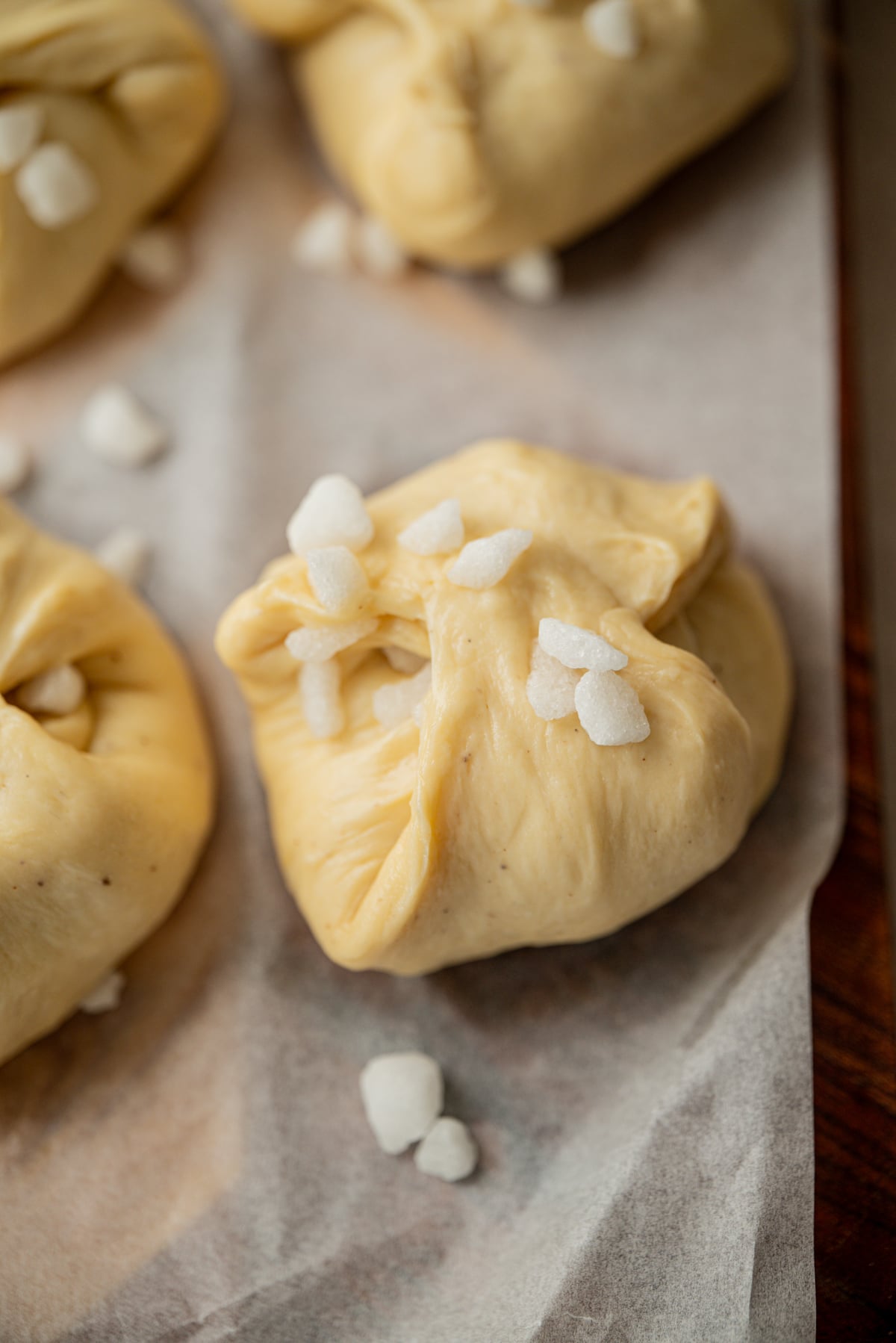
- Press the Belgian pearl sugar into each piece of dough after the final proof. Fold the dough over itself to enclose the sugar and form a little parcel.
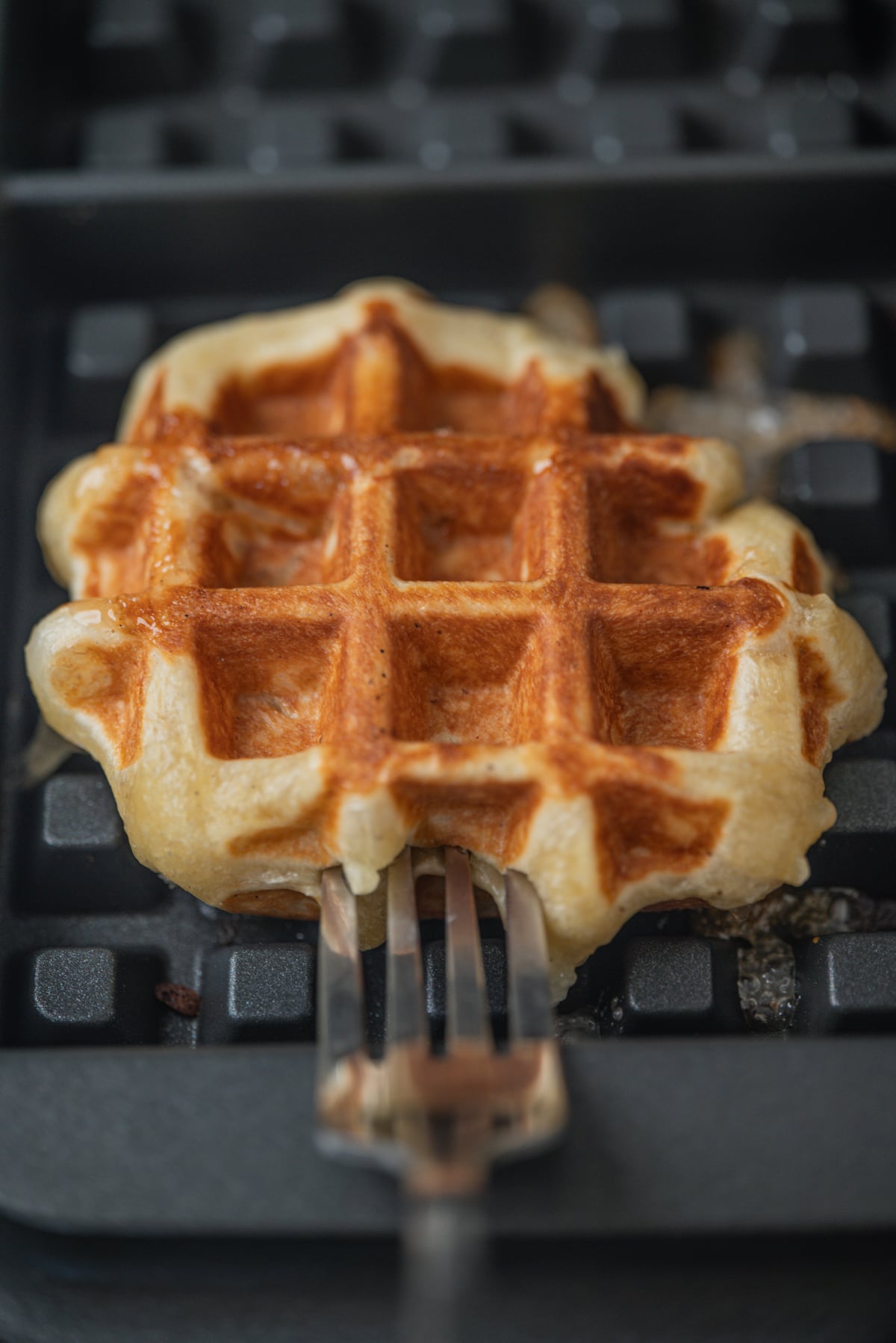
- Cook in a preheated waffle iron for around 3 to 4 minutes, until deeply golden and caramelised.
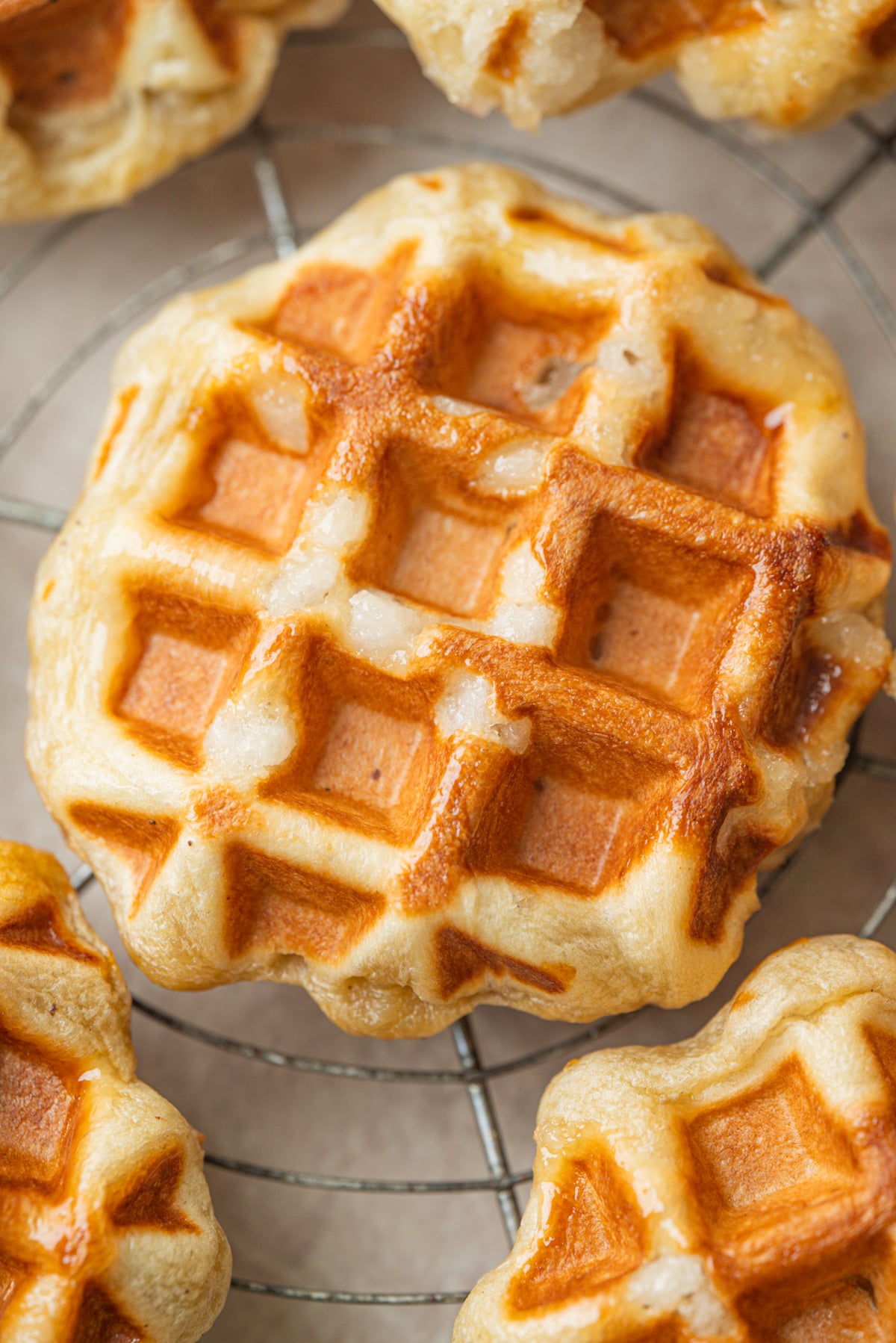
- Carefully remove and leave to cool for about 5 minutes before eating.

Notes & tips
- Watch the dough, not just the clock. Sourdough fermentation times can vary a lot depending on your starter and room temperature. During bulk fermentation, look for around a 30 to 40% increase in volume rather than waiting for the dough to double.
- Watch the butter temperature. If the dough becomes greasy and stops gaining strength, the butter may have become too warm. Refrigerate the whole bowl for 15 to 20 minutes, then continue kneading.
- Add the pearl sugar after proofing. Adding it just before cooking stops the sugar from sitting in the dough for hours, drawing out moisture and creating a sticky syrup.
- Be careful with the hot sugar. The caramelised pearl sugar is extremely hot when the waffles first come out of the iron. Use silicone-tipped tongs or waffle prongs and give them a few minutes to cool.
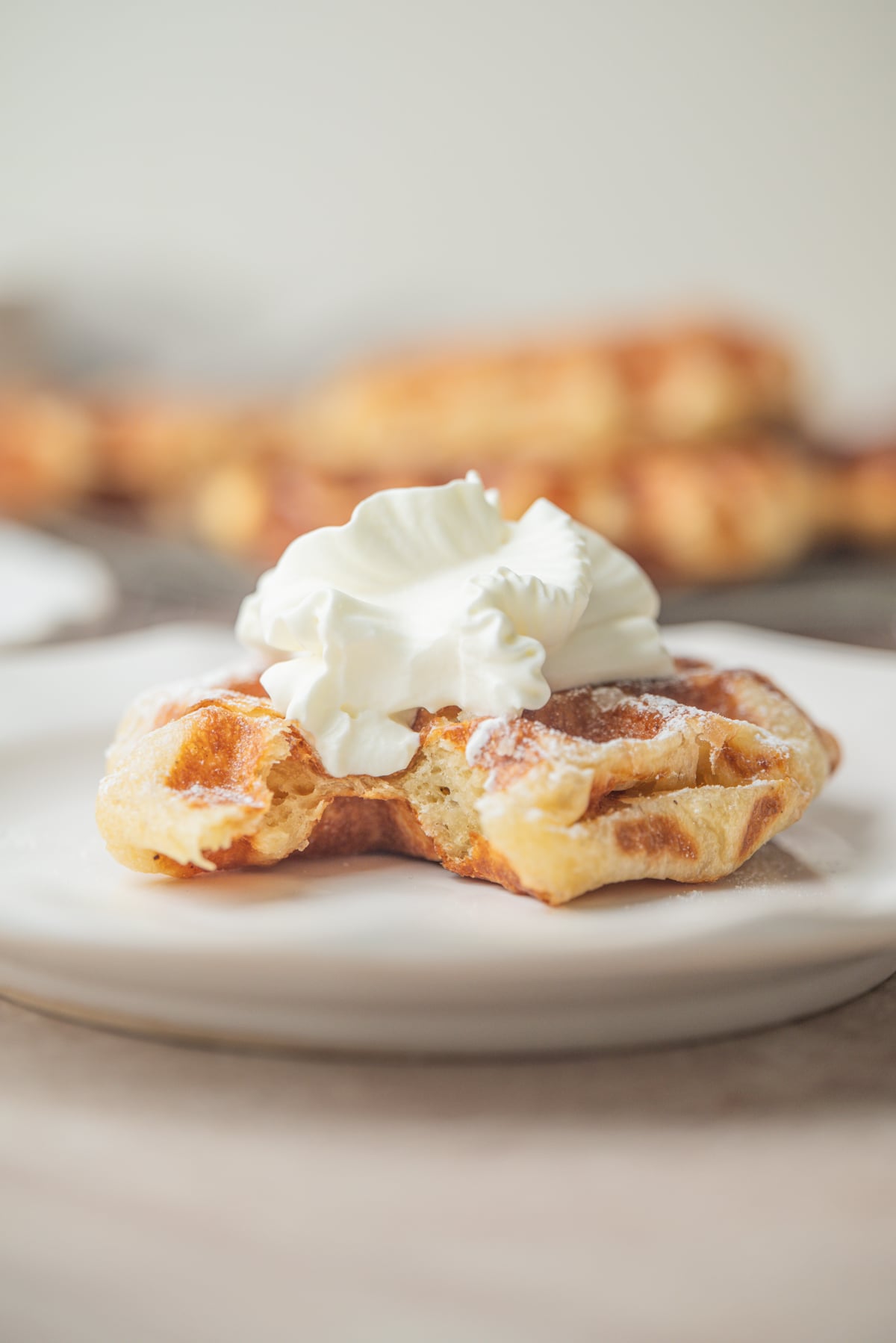
Best served warm. Liège waffles are at their best freshly cooked and still warm, or reheated before serving. Because this is a very buttery dough, the waffles become much firmer and denser once completely cold. Warming them again softens the crumb.
Storage
Keep the waffles in an airtight container at room temperature for up to 2 days. The caramelised exterior will soften a little as they sit.
For longer storage, let them cool completely and freeze in an airtight container or freezer bag. Reheat them in a toaster oven or air fryer until warmed through and crisp again.
Related recipes
- Sourdough Pain au Chocolat
- Flaky Sourdough Croissants – With Step by Step Instructions
- Sourdough Kouign Amann
- Sourdough Danish Pastries
- Sourdough Discard Waffles

Sourdough Liège Waffles
Equipment
- Stand mixer
- Waffle Iron
Ingredients
- 140 g active sourdough starter 100% hydration
- 375 g bread flour
- 120 g whole milk
- 45 g water
- 1 large egg
- 20 g soft brown sugar
- 15 g honey
- 8 g fine sea salt
- 1.5 tsp vanilla paste or extract
- 170 g unsalted butter softened but not melty
- 200 g Belgian pearl sugar
Instructions
- Feed your starter so it’s active and at its peak when you mix the dough.
- Add the starter, flour, milk, water, egg, brown sugar, honey, salt and vanilla to the bowl of a stand mixer fitted with a dough hook. Mix on low until it comes together, then keep mixing for 5 to 6 minutes to start developing the gluten.
- Add the soft butter a little at a time and wait for each addition to be worked in before adding the next. Once it’s all in, keep mixing until the dough is smooth and passes the windowpane test, which can take another 10 to 15 minutes. If it stays greasy and won’t gain strength, the butter has got too warm. Put the whole bowl in the fridge for 15 to 20 minutes, then carry on mixing.
- To make this by hand, knead the dough without the butter until it passes the windowpane test, working in stages with short rests in between, then work in the butter and continue until it passes windowpane again.
- Place the dough in a greased bowl or container, cover, and leave in a warm spot around 24 to 26°C (75 to 79°F) until risen by about 30 to 40%. This will take around 3 to 4 hours depending on temperature. If your kitchen is cold, use a proofing box or a turned-off oven with a mug of hot water beside the bowl, replacing the water as it cools.
- Once bulked, cover tightly and refrigerate overnight.
- Turn the cold dough out, weigh and divide it into 12 pieces. Shape each one into a flattish disc and place on a lined tray.
- Cover and leave in a warm spot, ideally around 25°C, for about 2 hours. They should be visibly puffy but not doubled.
- Preheat the waffle iron.
- Working with one piece at a time, gently press the pearl sugar on, fold in thirds, add a bit more on top, and fold the two ends into the middle to make a little parcel.
- Bake until deep brown and caramelised, around 3 to 4 minutes. Lift them out with silicone-tipped tongs or waffle prongs, never your fingers, and let them cool for 5 minutes before eating.
- These are best served warm, either plain or dusted with icing sugar and topped with whipped cream.
- Keep at room temperature for a couple of days, or freeze. Reheat in a toaster oven or air fryer.